
Recent Buys: Episode 23 - Premium Triggers

Another episode of Recent Buys in video form and another small haul BUT WITH AN ACTUAL VIDEO GAME. So this one counts.
Recorded on 03/11/2013
Items: Battlefield 3 Premium Pelican Dual Triggers for PS3
Special thanks to @gerardatron for hooking me up with a copy of Battlefield 3 Premium
Music: Final Fantasy Tactics Shop theme
Previous Episode: http://www.youtube.com/watch?v=26eFZNK5eyM
Pick 5: JRPG's I'd like to see make a return
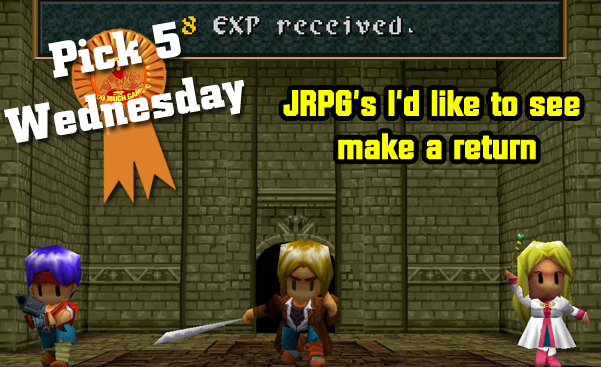 I've been playing a lot of JRPG's lately. Mainly because I missed the Japanese style and concept. While I was playing Final Fantasy XIII-2, it made me look back and think which series would I like to play again? Better yet, what series would I like to see make a return as next-gen.
I was first exposed to the genre through Final Fantasy VII, and from there on, anything RPG I picked up. Back in the PlayStation One and PS2 days, there were tons of JRPG's in the console, with the western RPG's dominating the PC platform. But now, JRPG's are quite rare. The market isn't what it used to be, making it a big risk for most developers. Some still continue like Square Enix with Final Fantasy, but even they are struggling to stay afloat. But not all is lost. The latest JRPG released was Ni No Kuni: Wrath of the White Witch receiving good reception all across the board. Ni No Kuni shows that there's still a market out there. With the whole industry slowly converting to the next generation, I'm hoping to see some of these JRPG series to make big return. All you can do in the end is hope really...
Breath of Fire series
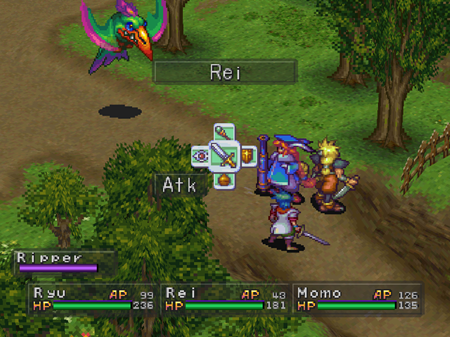
This series has always been great. Breath of Fire is well known for it's recurring characters. Each game has an entirely different story, but always have the dragon shapshifting silent protagonist named Ryu and Nina, a girl with wings. The latest release for the series was Breath of Fire: Dragon Quarter, released in 2003. Since then, nothing new came out. Capcom has forced this great series to go on hiatus, Why? no one knows for sure. Maybe it's the now crowded RPG market making Capcom think it's a bad investment, or the lack of confidence that the series would be well received by the modern crowd today. Whatever the reason, if Capcom would stop thinking like a business for 1 second and just give a go signal for a new game, I'd buy it in a heart beat. Imagine a Breath of Fire game with Capcom's new game engine for the PS4?
Chrono Trigger
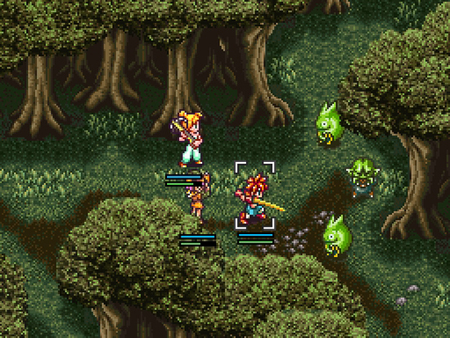
A true RPG classic. Chrono Trigger is considered one of the best JRPG's of all time. Actually, some might even consider it one of the best games of all time. With its multiple endings(around 12), memorable characters, and having a two dimensional world, it left a lasting impression that was hard to shake off until now. Even some of the endings were quite shocking as a kid. Time travelling is tricky to pull off and Chrono Trigger had a story that was actually good. Chrono Trigger were the many games that embraced the ATB(Active Time Battle) system and is the game that had the exact art as Dragon Ball. There has been no new title for the series after Chrono Cross. That's 13 years Square Enix, get to it!
Suikoden
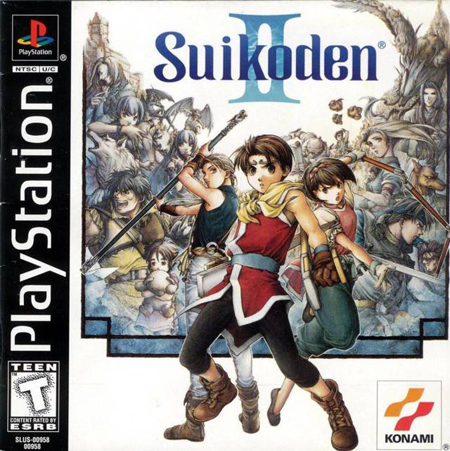
The one thing I haven't seen lately in current JRPGs is a lot of playable characters to choose from, and I mean a lot. That was Suikoden's trademark feature - 108 playable characters. Suikoden gave players the option to collect playable characters and I remember getting hooked because of it. Talking to every NPC I find in hopes to recruit all of them for my army. The strategic war battles is also something that I miss - A part in the game were it becomes a strategy game, with the protagonist commanding his newly formed army to go against the enemy nation. There was also base building. It had a fairly simply turn-based gameplay, but everything else made it unique. The series is still alive to this day, but now lives in hand-held devices such as the PSP and Nintendo DS.
Jade Cocoon
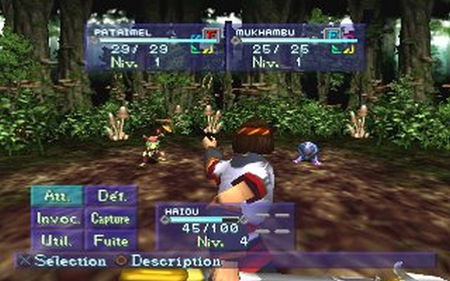
This is probably a personal favorite. Not many knew about Jade Cocoon back in the day. I myself had no idea what it was all about, but with me addicted to anything RPG at the time, I picked it up and tried it out. After a few hours I was already a fan. It was Pokemon with a more tribal setting. Come to think of it, Ni No Kuni is somewhat similar to Jade Cocoon - having the ability to summon monsters to fight your battles. It had a sequel in 2001 on the PS2, but after that, gone. From what I know the series did not die from failure, but rather the studio Genki decided to focus on another genre, racing games. Not even sure if the company still exists.
Wild Arms 1 and 2
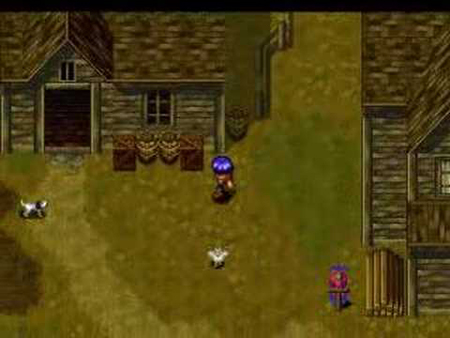
This series is pure nostalgia. I remember those late nights of me trying to figure out the puzzles as a kid and humming to the Wild Arms intros. The Wild Arms series lost steam quickly after the second game, making me consider that the series only have two titles(It actually has five). There's a lot going for Wild Arms - The western setting, the anime cutscenes, gameplay focused on guns, and the damn good sountrack. I'd love to see Wild Arms get a new face for next gen though, and if they can make me hum while playing, it will be worth every penny. Instead of just posting gameplay footage of the game, I'll just dump one of the game intro's below and if you get goosebumps from hearing it, you know you want the series to return in a big way.
Wild Arms 2 intro
What about you? What games would you like to see make a big return?
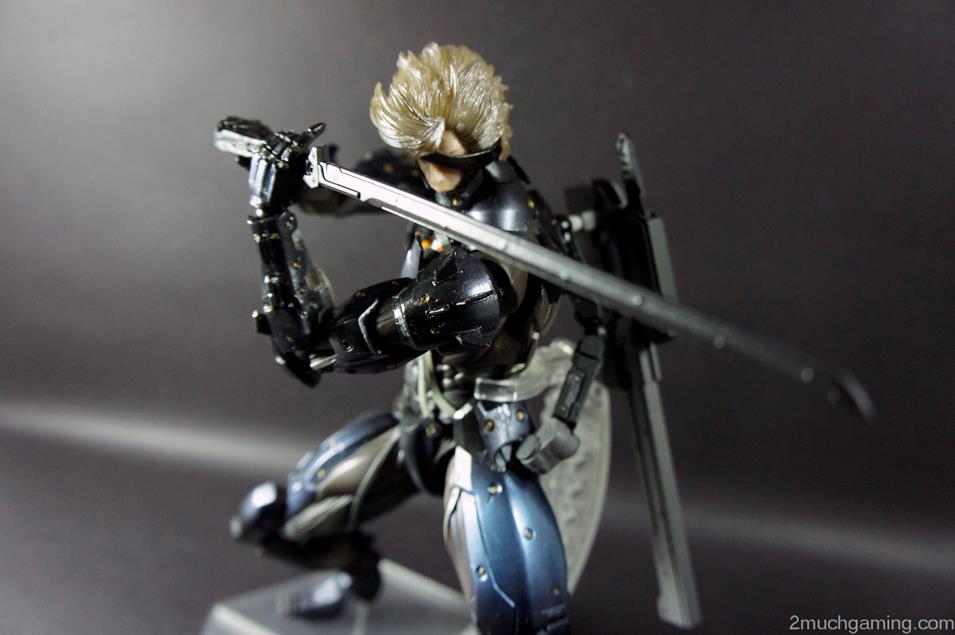
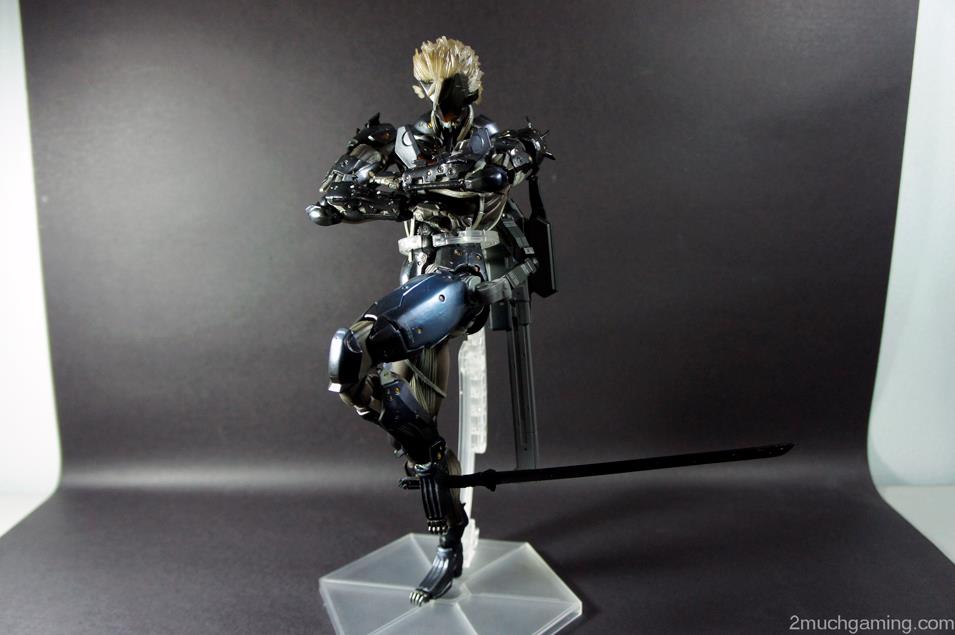
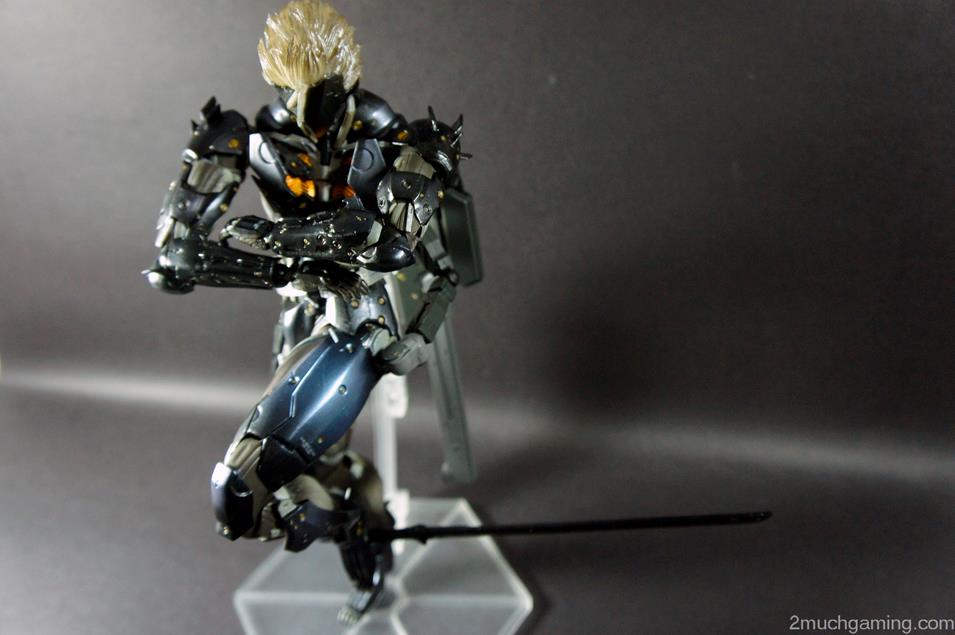
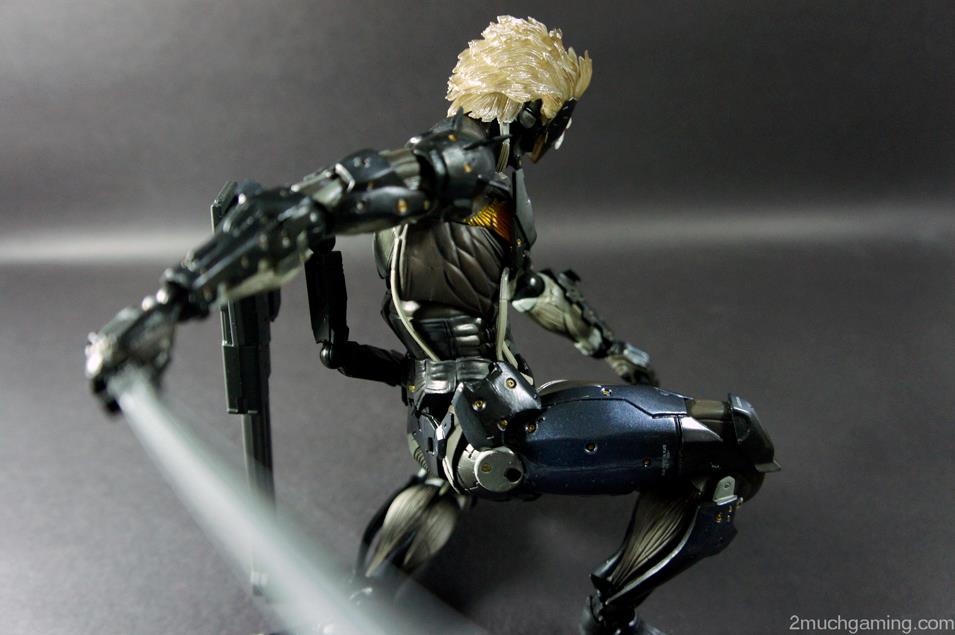
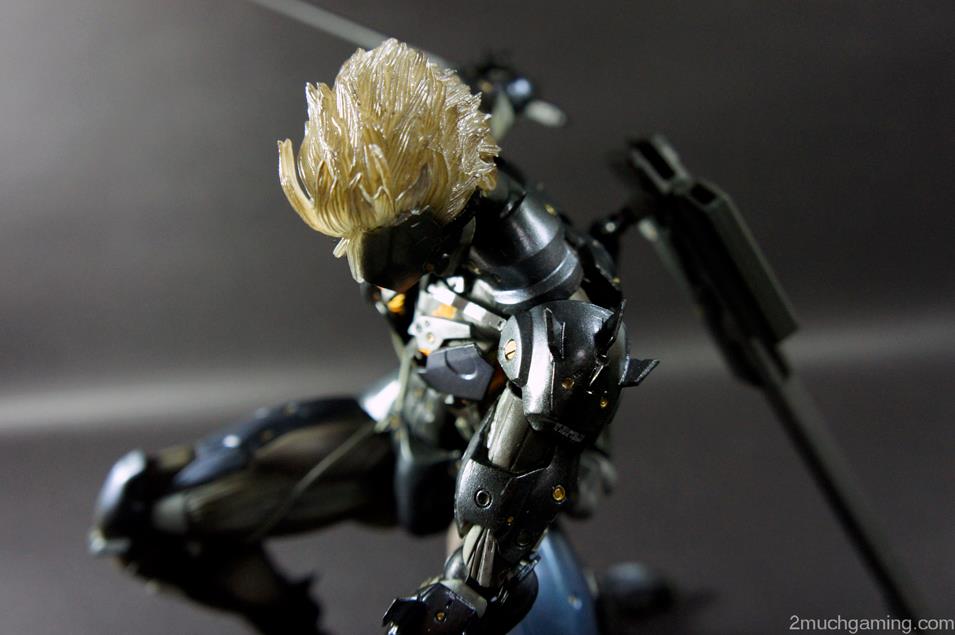
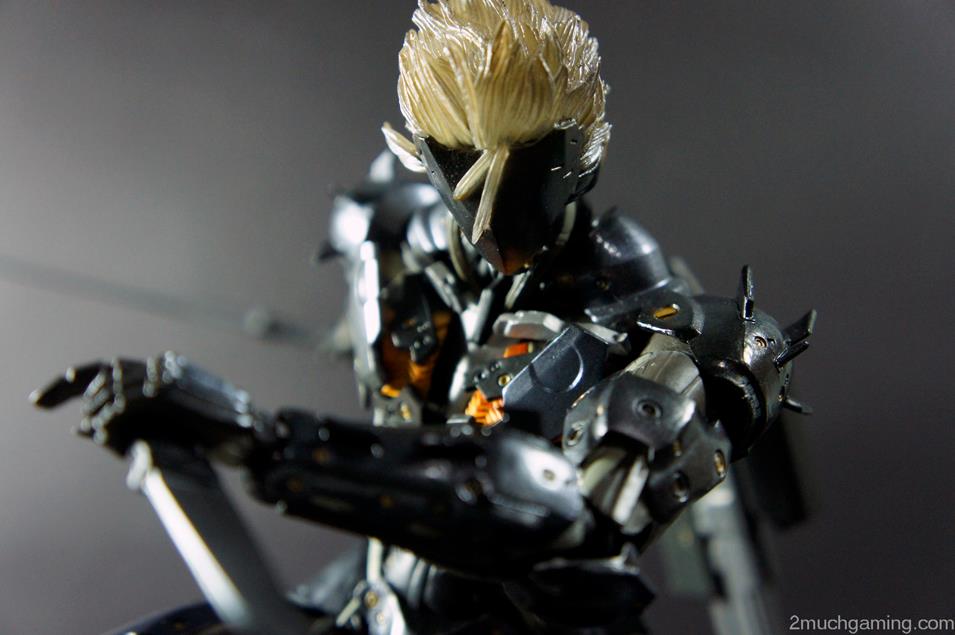
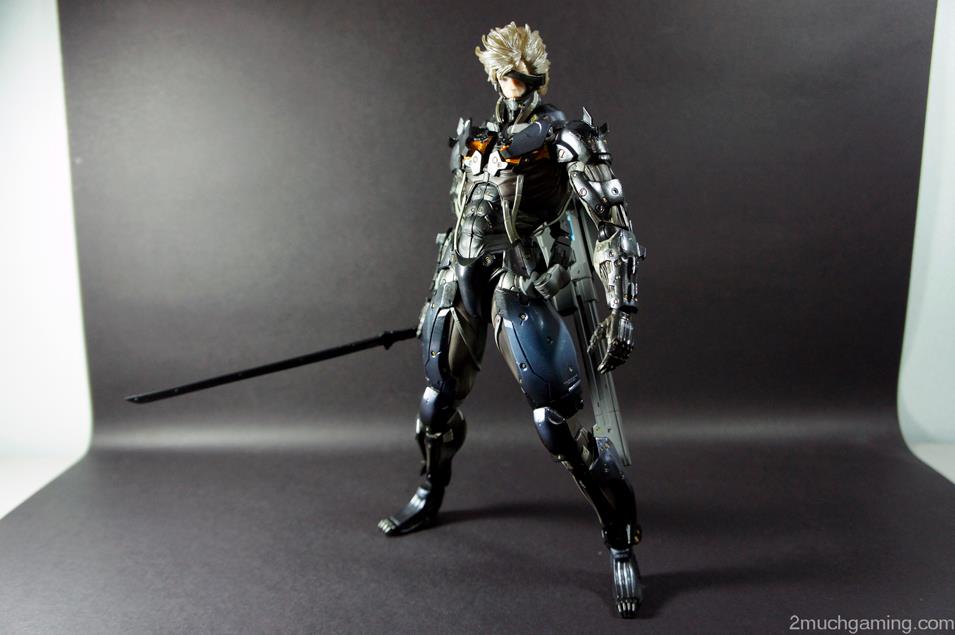
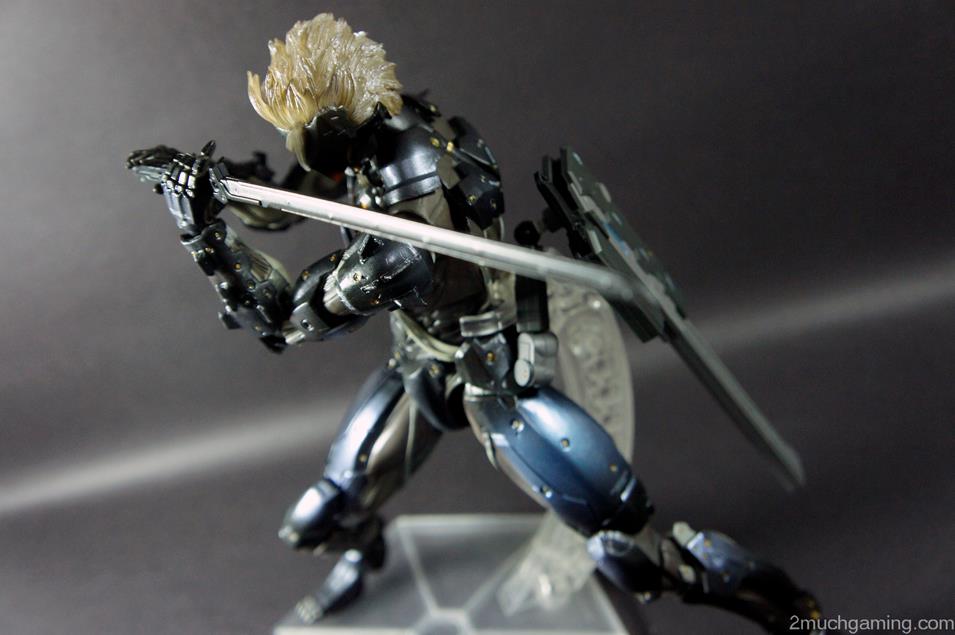
Play Arts Kai Raiden Review
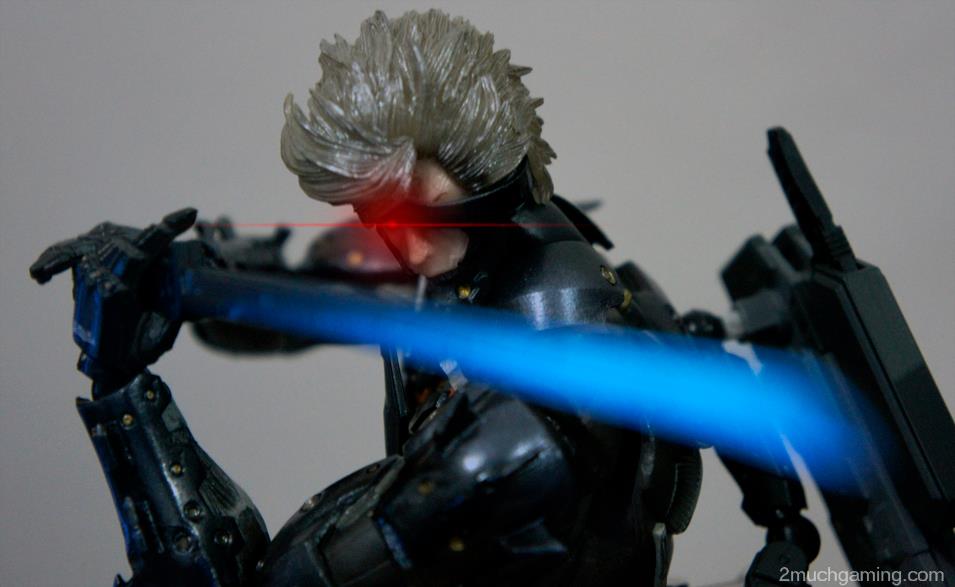
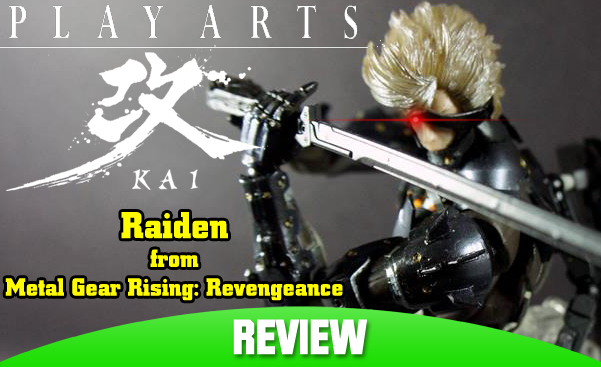 This counts for another first. A first action figure review that is. Migoy talks about how cool he thinks the Play Arts Kai Raiden figure is based on his look from Metal Gear Rising Revengeance. Pfft! What a man-child.
But this is not just a video review. Oh no. This post also includes a small gallery of the figure. I hope you enjoy the review and the toy photoshoot.
Score: 9/10

Monday Impressions: Final Fantasy XIII-2
 I never thought I'd do it, but I did. I actually bought Final Fantasy XIII-2. Before release, this was one game that had nothing going right in my standards, with the combat mechanics being the only aspect of the game I like. The whole time travelling story, Pokemon-ish third character, and Serah (Lightning's younger sister) now taking the spotlight, it didn't strike me as a game I'd like to play. It reminded me of that other Final Fantasy sequel that to this day I have not bothered finishing. what pulled me into buying? I was itching for a JRPG, and with it now on a price cut, I gave it a shot.
Final Fantasy XIII-2 Hours In: 16 hrs Platform: Xbox 360
Final fantasy XIII-2 felt more like a big apology from Square Enix. The first game was criticized for it's very linear gameplay. An RPG that feels like you are on rails. No matter what, you are moving forward, and only after chapter 12 (towards the end of the game,which is 40 hours in) does the game open up for you to stretch your legs and actually explore. In the sequel, you have all the room you need. Thanks to the confusing time travelling plot, revisiting past locations are now possible, and there are missions and fragments to find to get distracted from the main story. This is how the first game should have been, minus the whole time traveling thing. I still prefer a world map with a sky ship waiting for me towards the end, but this will have to do.
The story is flat-out horrible 16 hours in. Again, time traveling being the main reason. Altering the future to change the past. That phrase alone will pretty much give you the gist of it, and as much as I want to give the narrative a chance, I just start scratching my head and ask why Square decided to make things so complicated. They have Gran Pulse - the open world in the game that has so much potential. Instead, they decided to have players time travel from the current timeline serah came from, all the way up to 300 years into the future, even more at times. The world of Final Fantasy XIII is fascinating, but Square again fails to capitalize on what they have created. It's like creating a masterpiece painting, and you decided to add just a few more touches to spice things up, but in the end, it ruined it.

BEST FINAL FANTASY COMBAT EVER
As expected, the combat is so far the saving grace to why I'm now past the 10 hour mark. The whole paradigm shift mechanic is back and faster than ever. This is easily my favorite game mechanic from all the Final fantasy series combined. Yes, it even beat's Final Fantasy 7's materia system for me. Shifting from paradigms (classes) after paradigms keeps the game intense. The crystarium(level up system) has been simplified, which is a negative, but is not bad that it ruins character progression and the overall fun. The pokemon aspect of the game, having monsters captured by Serah to fight alongside you, filling your third character slot, is actually a great addition. Since you can bring three monsters into battle, there's more character customization in this game. It's like you're worrying about the progress of 5 characters in a sense. Since you can capture any monster in the game, plus them having unique skills and roles, it keeps the combat fresh, since you get the urge to experiment with other monsters, hoping to find the best combination.
The soundtrack for the game so far is a bit subtle for my taste. It doesn't fit well with what's going on in a specific cutscene, even the battle music(which is really important in Final Fantasy games) fails to pump me during a battle. But those are tolerable, what I can't stand is the writing and the voice acting. That damn moogle that Serah uses as her weapon is the new vanille. Meaning, I hate him/her. The high pitch whenever he talks is annoying, and each sentence ends with a "kupo". You get the ability to throw moogle to unreachable treasure orbs, but I sometimes just throw him out of annoyance.
So far, despite the confusing time travelling story, and that damn moogle that I wish dies in the end, I'm enjoying myself. The combat keeps me entertained , and the ability to backtrack to explore new areas is a welcome change. Graphics of course what you'd expect from a Final Fantasy game, but there is inconsistencies. Compared to the 3D models of all the important characters in the game, the NPC's and the less important characters have less detail and less animations, suggesting a bit of rush in this project.
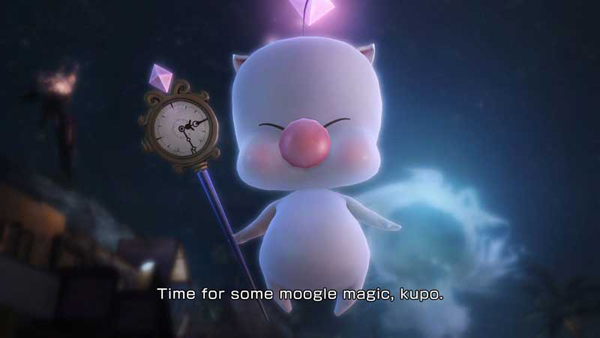
Another new addition that I consider as the worst thing to add in an RPG, especially a JRPG, is QTE(Quick Time Events). These occur during "intense" cutscenes, requiring the player to press whatever button appears on the screen on time to be successful in the fight. It's added to have the player more engaged during a scene, But in the end, it comes out unnecessary . It's easy button combinations, and gets old after the first few times you need to do it. But thankfully it's a rare addition. QTE's show up for your monster's feral rage, a unique ability. Again, the game is better off without it.
I'll continue playing this game. I'm planning to play it after I'm done with this actually. I'm glad that I decided to give this game a chance, but it makes me worry on the future of Square Enix's Final Fantasy series as a whole. It's a good JRPG fix so far, it even may come out better than the original, but it's definitely nowhere near the standards of past Final Fantasy games like FF 7, FF 9, or FF X. They love experimenting in each Final Fantasy game they release, I get that, but I think it's about time they slow down and look back at what worked in the past. Just my two cents.
Backlog Review: The Legend of Zelda: Skyward Sword
In 2011, Nintendo pulled out all the stops for Zelda's 25th Anniversary. They had re-releases in the form of Ocarina of Time 3D and Link's Awakening DX, while Four Swords Adventures was freely offered to anyone with a DSi/3DS and the original Zelda gifted to early adopters of the 3DS, not to mention the Zelda Symphony that toured the globe. But the real prize, we knew, was to be the long-awaited Skyward Sword, the first game in the series developed exclusively for the Wii and set to fulfill Nintendo's long-awaited promise of true 1:1 sword controls with the Wii MotionPlus.
But while we all waited impatiently to see whether the game would deliver excellent combat, Nintendo was busy crafting an epic love letter to Zelda fans the world over with a story set at the far beginning of the established timeline, and an art style that strikes a good balance between the cel-shaded pastels of Wind Waker and the bloom-lit gothic environments of Twilight Princess. The end result is an experience that surprisingly delivers on every front, answering long-running questions about the Zelda mythos even as its gameplay, overworld and level designs challenge earlier ideas in the series. Towards the end of this review, I’ll also go into the reasons why the game has been considered a disappointment, and why I think it deserves a second look.
Not Your Daddy’s Zelda: A Further Evolution of Zelda’s Gameplay Mechanics
The basic setup, without giving too much away: Link is a student at the Knights’ Academy in Skyloft, where riders of the enormous Loftwings patrol the skies and save anyone falling off the edges of the realm’s floating islands. Zelda, the Mayor’s daughter, appears to take a liking to Link, which rival suitor Groose can’t stand. After Link spends a wonderful day with Zelda during a big ceremony, she is inexplicably captured by a whirling storm. Chasing after her, Link, too, is sucked into the unnatural vortex, and awakens on the elusive surface world, having somehow survived. Once there, he learns that an ancient evil is in danger of being revived, and that Zelda is off on a secret mission to keep this timeless evil from unleashing some horrible doom upon the world. Link ends up pursuing Zelda through self-contained sections of the surface world, where he runs into the powerful, effeminate magician and swordsman Ghirahim, who’s also pursuing the princess and may have something to do with monsters swarming the surface world.
That’s right, I mentioned self-contained sections. One of the odder things about Skyward Sword is that it has no real overworld. The surface segments are divided into large areas that host multiple dungeons each, but do not connect with one another. As for the world in the clouds, it isn’t large or eventful enough, with only a few satellite islands, most of which exist only to host mini-games or recover secret treasures sent by Goddess Cubes from the surface, the only real incentive towards exploration. While playing the game I got the feeling that if the game had a little more time in development, the floating islands in the sky may have featured more to explore and enjoy, especially since the Loftwing physics are fun, being very realistic (you lose speed when climbing and gain it by descending, although the unlockable spin move you get later on defies physics entirely). The sky world is beautiful, but I found that I did the least exploring out of any Zelda game thanks to a serious lack of anything to explore or investigate. It’s not necessarily a bad thing, since the game world is huge and the ground segments have a ton of content, but for those who enjoy Zelda games for the hidden rooms and promises of stumbling upon secrets through exploration, it’s a bit of a letdown. There’s hours of character-driven mini-quests strewn about, as well as more signature mini-games than in any other 3D Zelda, but there is definitely a feeling of something missing.
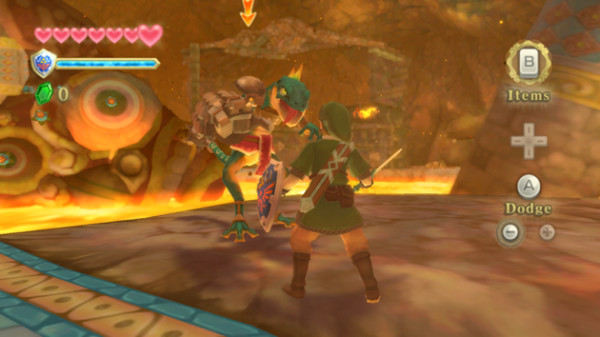
As for the combat on the other hand, which was what I was most excited about pending the game’s release, I can happily say that it delivers a fantastic, immersive experience while maintaining the difficulty at a degree just enough to be challenging and allow the player to learn. Personally, I found my first play-through pretty smooth, but depending on your aptitude with the Wii Remote, your mileage may vary. As with other 3D Zeldas, combat is pretty forgiving. But this time, Link isn’t always operating with a full tank of gas, so to speak. He has a stamina meter now that limits running and dictates your combos, so you have to be creative in pacing your battles. There’s no more endless rolling to gain speed, either, as the A button now makes the hero sprint. I found this a very welcome change. To prevent shield spamming, Link’s shields now have a durability meter. If your shield takes enough hits, it’ll be useless, and the next attack will leave you open and robbed of stamina. Repairing and upgrading your shields in Skyloft’s town is essential, and easily accomplished.
You can also carry multiple shields and multiple instances of certain assist items, as well as mix a complex brew of potions with varying effects; there aren’t as many gadgets time around, but the item management and upgrades in Skyward Sword provide a more complex experience than the traditional item sets in Zelda, where historically, once you’ve found something, you don’t need to work to upgrade or maintain it. For the collectors like myself who love to chase the rare bugs (no fishing this time around, sadly), the net upgrades are very worth it.
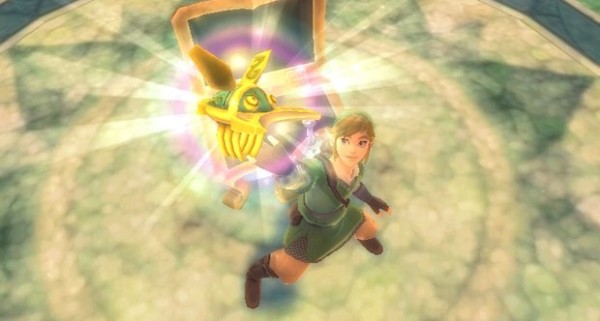
The Frontier For Motion Controls: The MotionPlus Knows When You Waggle
I have no idea how the MotionPlus works, but unlike in the Wii version of Twilight Princess, you can’t just waggle the Wii Remote anymore. Link’s onscreen avatar actually holds the sword in the manner you do, and while full-arm swings are thankfully not necessary for the most part (the same effect can be achieved through swinging from the elbow), the tech gets the job done in terms of immersion and accuracy. Link can swing horizontally, vertically and diagonally with ease, and the enemies this time around are programmed so that there’s always a smart way to dispatch them. The Stalfos and Lizalfos are especially fun to fight. Protip: if you have a Wii Remote with a MotionPlus built in and you daisy-chain a Motion-Plus attachment onto it, it makes the controller’s response even more fluid. Link can also perform two-handed vertical and horizontal spin attacks by holding the Wii Remote and nunchuk together and swinging. You bash with his shield, as well as parry, using the nunchuk. The signature move this time around is the Skyward Strike – raise the Wii Remote to the air and Link will charge up a powerful blow that can travel across a room. The move functions just like the charged shots from the 2D games. It’s all quite intuitive. Menu controls are a breeze. Skyward Sword also has the easiest access to the inventory screen out of any 3D Zelda ¬– simply hold the B button down and motion your wrist towards items on a large wheel, then release B when you’re ready. You can even move whilst selecting items.
The gadgets this time around make the most of the Wii MotionPlus without relying on it. The best example of this is the remote-controlled beetle that controls better than it has any right to, lending itself to complex flight paths. If the calibration veers off, as it inevitably does, just tap the d-pad with your thumb and the beetle will right itself. It’s a brilliant fix for a common problem with the Wii Remote’s gyro controls. As mentioned previously, there are now upgradable items, often used to accomplish side-quests, and getting these upgrades can be mini-quests of their own, as Link is sent to various locales to find the necessary materials. Not to worry, these fetch quests aren’t a large part of the game. A few of the upgrades are downright useless (who needs an upgraded slingshot when you have a bow?) but I found myself investing in all of them.
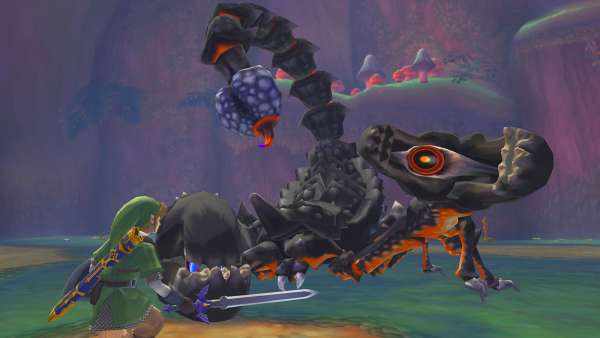
Riddle Me This: Puzzles, Level Design and Epic Bosses
People who thought that Twilight Princess was lacking in difficult puzzles will find that the same rule unfortunately applies to Skyward Sword. There are a few moments where I’ll admit I had to stop and think for a few minutes, but for the most part the game is a very straightforward experience.
From a lifetime of playing Zelda, the series’ game design rules are clear to me. That said, if the same winning formula is at work, some kid out there will have the same feelings of wonder and satisfaction that I did playing Ocarina of Time at ten years old. Perhaps it’s inevitable that things would be easier for someone who’s grown up playing Zelda, but never once did I encounter an obstacle that stumped me for more than a quarter of an hour. Some would say that’s a sign of good game design, but to me this is a radical change from what I expect from a Zelda game; taking away that feeling of frustration at not knowing what to do next takes away somewhat from the satisfying completion of those tasks.
After all, isn’t challenge an essential ingredient in the elements of an epic game? My deaths in Skyward Sword were few and far between. Most of them can be chalked up to The Imprisoned, a powerful recurring boss. Maybe that’s why we have Hero mode (unlocked by beating the game), where you take double damage and there are no random/dropped hearts… but I haven’t finished my Hero mode play-through, so let’s not get into that.
One of the cooler things about Skyward Sword’s level design is how it blurs the lines between field areas and dungeons. It often feels like the entire game is a dungeon, in that there’s always some gameplay-driven puzzle to solve before you can move forward, even in areas you’ve already explored. You’ll often find yourself utilizing Fi’s dowsing ability, which has you searching with the Wii Remote to find hidden areas or objects. So while there isn’t much backtracking within dungeons, the large environments on the surface are used and re-used for multiple events and even transform throughout the game depending on the needs of the story. Essentially, there’s less of an overworld as much as there are common ‘satellite worlds’ that you revisit from time to time – a desert area, a mountain area and a forest area. The large size and variety of these areas makes for a game that’s packed with content and will take even a seasoned gamer between thirty and forty hours to finish for the first time – just the right amount of time you want to spend in Hyrule.
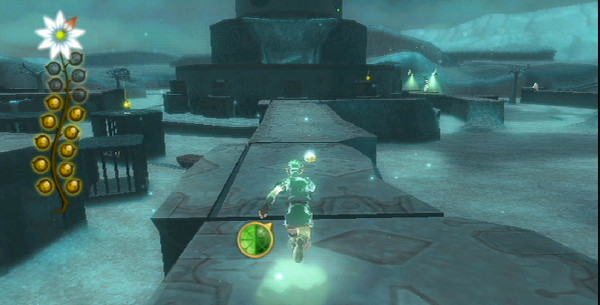
A new element that I really enjoyed was the introduction of the Silent Realm. In these visually stunning segments, Link must sneak past towering Guardians, avoid the glowing ‘Waking Water’ and collect Goddess Tears scattered throughout a shadowy version of the familiar satellite locations in order to ‘grow his spirit’ and obtain some essential upgrade or item. Think of it as Zelda Gear Solid, only you can’t fight back against your pursuers, and you’re on a time limit. Since one hit from the Guardians will force you to repeat the entire trial, there’s no way you can beat these trials on your first go. Memorization and smart playing are necessary.
Every one of the dungeons this time around is a delight, with visual wonders around every corner. Although there are basically seven dungeons in fewer locations, each is distinctive, with some focusing on enemies and others on puzzles. One of the things that struck me this time around is the sheer beauty of these fully rendered dungeons, and the variety of gameplay styles that they take you through (one dungeon has Link rolling around on spheres floating on a looping river of lava, while another one takes place entirely on an ancient, but technologically advanced, pirate ship).
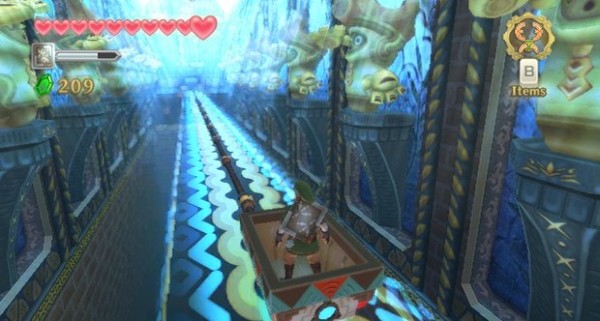
The standout dungeon this time around is actually (surprise!) the traditionally hated Water Temple, “Ancient Cistern”, which is split into two opposite but beautiful halves around a giant state of a Hyrulian stand-in for Buddha. My brother tells me that the dungeon is based on an ancient Buddhist story. It’s all quite Zen until things take a darker turn, with some of the creepiest, most atmospheric moments in Zelda history. The dungeon’s boss is also one of the best in the entire series, with an epic fight that recalls the more difficult bosses in the old-school games, even though figuring out how to damage the boss is half the challenge. On the other hand, the aforementioned boss “The Imprisoned”, and of course Ghirahim, are difficult every time. These fights provide a lot of the game’s tougher moments and are well staged to make it difficult but rewarding to the attentive player.
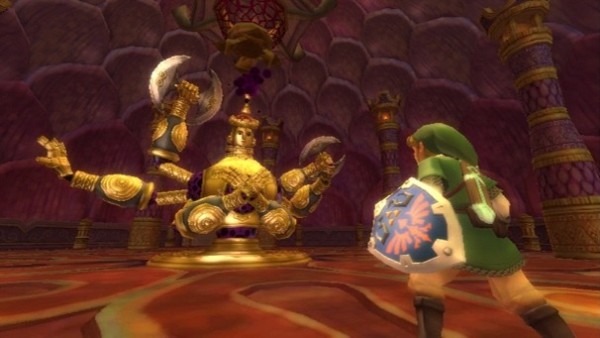
Speaking of bosses, Skyward Sword’s most intense and rewarding side attraction is the Boss Rush, unlocked towards the end of the game. True to its name, you attempt gauntlets of every boss, with no life regeneration. You can wuss out at any time and go away with a consolation prize, or keep chugging on and try your luck. It’s a fantastic mode that I hope Nintendo includes in subsequent games. For us old fogeys who grew up playing games in the 16-bit era, the only thing the 3D Zelda games (aside from Majora’s Mask) have been lacking in is a serious challenge. Boss Rush mode is very welcome in this regard, especially since most of the bosses are actually quite challenging and the order in which you fight them is randomized. The real fun begins when you attempt to take on every boss on the unforgiving Hero Mode. I won’t spoil my favorite prize, but it’s more than worth the toil, not just for its practical use, but also for bragging rights.
Presentation: A Zelda That Shines Story-wise, Visually and Aurally
Without spoiling anything, I would like to say that I think Skyward Sword, as the official first game in the Zelda timeline, features the best story and writing out of any other game in the franchise. You can see where a lot of Hyrule’s mythology comes from here. Nintendo has officially woven together the seemingly disconnected threads of the story that is The Legend of Zelda and the result is damn near magical. The most important questions have been answered, leaving only a few gaps left in the storyline. If Skyward Sword were the last Zelda game ever made, it would at the very least be a major triumph in story from a company that usually puts narrative considerations to the side in lieu of emphasizing gameplay mechanics.
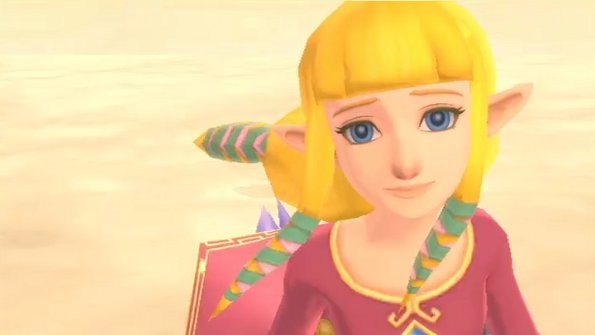
There’s also a pretty strong focus on character development, featuring writing that turns Zelda from an aloof princess to a moè-infused girl next door as well as a major character throughout the game, and providing Link with a strong comedic foil in Groose. A huge cast of funny side characters rounds out the ensemble. While there are a few animé tropes and, once again, Nintendo decided not to go with voice acting, the result is probably the first Zelda game where I was as thoroughly invested in the story as I was in the gameplay.
Fan reaction has been hotly divided on the graphics and art style of Skyward Sword. Early word-of-mouth was positive, but some felt that it was trying too hard to strike a balance between the look of Wind Waker and Twilight Princess. Personally, I think the game looks fine. Taking into consideration the fact that this is meant to be the very first Zelda before Ocarina of Time’s timeline split (which results in the alternate universes of Twilight Princess, A Link to the Past and Wind Waker), the art style fits perfectly. I just wish that the game were in HD, and that the textures were more detailed. Certain things like leaves on trees don’t hold up under close inspection. But overall, the pastel-colored palette fits the game very well. I wouldn’t mind if Nintendo continued to use a similar style for the next game in the series.
Perhaps the lack of an unbroken overworld and muted details in the textures can be explained by the fact that Skyward Sword boasts a fully orchestral soundtrack with over three hours of original music, something that would tax the storage capacity on a single Wii disc. The soundtrack is soaring, with the main theme, The Ballad of the Goddess, made from the reversed notes of Zelda’s Lullaby, being one of the best in the series.
While I thought Twilight Princess had a great soundtrack, many of the tracks were synthesized. With a full orchestra following Link’s every move (even the familiar chimes are orchestrated), this game just takes composer Koji Kondo’s work to the next level. For hardcore Zelda fans, I highly recommend checking out the original soundtrack, as well as the Legend of Zelda 25th Anniversary disc, which contains rousing arrangements from the touring Zelda concert. What excites me the most is thinking of what the next Zelda will be like on the Wii U, since storage space won’t be a factor on the console’s discs, which utilize Blu-Ray tech.
Closing Thoughts: A Trip To Hyrule Worth Taking
If you have a Wii and consider yourself a Zelda fan, even if it was once upon a time, I highly recommend Skyward Sword. I even classify it as one of the best games of this generation. The biggest complaint I have about it is that due to its motion controls, it follows the same pattern as Twilight Princess in that there is a lengthy introductory phase where the game has to teach you how to play it. But once that hump is over and done with, the experience really shines, delivering a game that’s polished from beginning to end, down to every little side mission. It hardly ever repeats itself throughout thirty to forty hours of gameplay. The story is worthwhile, the music is excellent, the items are fun to use and the bosses are epic. There isn’t a sour note struck throughout this entire game.
The love and work that went into this title is clearly evident. The only problem is that Nintendo took their sweet time in releasing it. Let’s hope we don’t have to wait nearly as long for the next Zelda game.
Score: 9/10
Pros:
- Fun and immersive new control scheme - Fantastic dungeons and level design - A story that ties together the entire Zelda franchise - Completely orchestral soundtrack takes you into another world - Hero mode difficulty turns the game into a hardcore experience
Cons:
- No real overworld map - Still no voice acting or cinematic cut-scenes - Certain textures could have been more detailed